
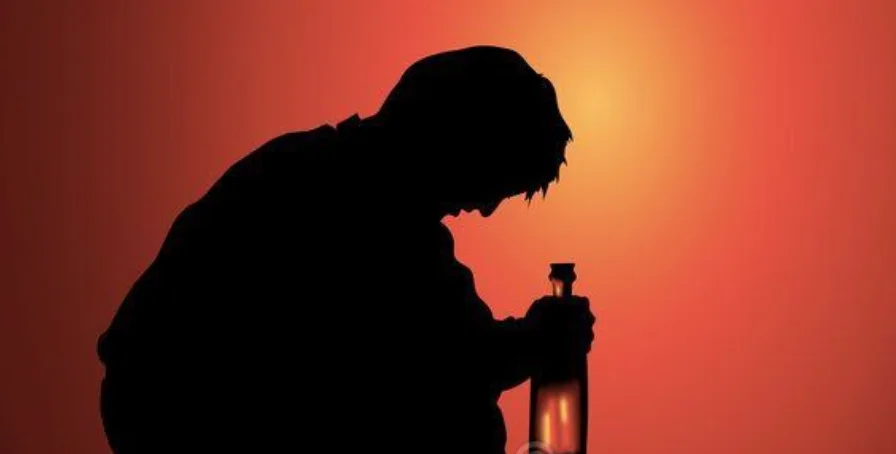
The Drink After Work Became the Starting Point of Every Day
At age 28, I was working on projects at an internet company—fast pace, lots of overtime, and performance pressure that almost made it hard to breathe. At first, I just had a few beers after work, thinking it would help me unwind. Gradually, one drink became three bottles, and three bottles became a bottle of baijiu. By the time I realized something was wrong, it had progressed to the point where the first thing I did every morning upon waking was look for alcohol—otherwise my hands would shake, my heart would race, and I couldn't concentrate at all.
During that period, I lost my girlfriend of three years. She had given me chances, but I kept promising to "drink less" and kept breaking that promise. My company's leadership also talked to me because I was late to several morning meetings in a row, carrying the smell of last night's alcohol on me. It wasn't that I didn't want to change—it was that every time I stopped, an overwhelming restlessness and insomnia made me feel like I could only survive by taking another drink. Later I came to understand that this wasn't just "overindulgence"—it was that my brain's reward system had been hijacked by alcohol.
Admitting "I Can't Control It" Takes More Courage Than Toughing It Out
What truly made me decide to seek help was a very small moment. That day, I had promised to accompany my mother to her follow-up appointment, but before leaving, I secretly gulped down half a glass of baijiu. At the clinic door, my mother looked at me, said nothing, but her eyes turned red. The shame of that moment was more sobering than any hangover.
After arriving at Zhengzhou North Hospital (Zhengzhou North Alcohol Addiction Hospital), I systematically learned for the first time what alcohol dependence really is. The doctor explained it in plain language: long-term heavy drinking alters the balance of neurotransmitters in the brain, and the anxiety, hand tremors, sweating, insomnia, and even seizure risk that appear after stopping are all manifestations of central nervous system hyperexcitability—this is not something you can push through with "willpower" alone. That explanation was a huge relief—it turned out I wasn't "weak," but rather had a disease that required proper treatment.
Detoxification Isn't Just Stopping Drinking—It's Relearning How to Live
The first phase at the hospital was medically supervised withdrawal management. Medical staff monitored my vital signs 24 hours a day and provided supportive treatment based on assessments, helping me get through the hardest days relatively smoothly. It wasn't as terrifying as I had imagined, but it was also nowhere near as simple as "sleep it off." After the physical dependence was resolved, the longer part began.
The psychotherapist and I worked together to sort out the emotional patterns behind my drinking behavior. I discovered that whenever I faced conflict, felt rejected, or felt lonely, my first reaction was to pick up a glass. Alcohol had once been a tool I used to escape stress, but that tool eventually became a shackle. During treatment, I slowly practiced identifying emotions and expressing needs with words instead of alcohol, and I also began learning specific stress-regulation methods, such as breathing exercises and cognitive restructuring. These skills sound basic, but for someone like me who was used to "solving everything with alcohol," it was almost like rebuilding an entire psychological operating system.
After Sobriety, Life Truly Begins
Leaving the hospital didn't mean the end—it was the starting point of a longer recovery phase. Following the doctor's advice, I continued attending outpatient follow-ups and group support activities, and gradually built a new rhythm in my life. I started running—from barely making it through one kilometer at first to eventually completing a half marathon. The controllable sense of fatigue and the ease I felt afterward gave me an emotional outlet that, in some ways, replaced what alcohol used to provide. I also picked up photography again, which I had loved in college, and on weekends I'd take my camera to the old town to shoot street scenes, shifting my focus from "do I want a drink again?" to "what kind of light is good for shooting today?"
I've now been sober for two years. During these two years, I've certainly faced low points and temptations, but I have completely different ways of coping now. My relationship with my family is slowly healing, and at work I've regained my colleagues' trust. Most importantly, I've learned to face problems rather than go around them—even just admitting "I'm struggling right now" is far better than drowning everything with a drink.
To Those Who Are Struggling, and to Their Families
If you are going through something similar, I want to say this: alcohol dependence often develops slowly and insidiously, and by the time you notice it, you may already be deeply trapped. That doesn't mean you've failed as a person—it only means you need professional support to regain control of your life. Seeking help is not weakness; it is the most responsible decision you can make for yourself and for the people around you.
If you are a family member, you may have already experienced countless disappointments, arguments, and worries. Those of us with addiction often deny, hide, and even lash out at the people closest to us during the illness—not because we don't love you, but because the disease itself distorts cognition and behavior. The most important thing you can do is not to hide the alcohol for him, but to help him connect with effective professional resources, while also protecting yourself so you don't collapse from prolonged anxiety and exhaustion.
Treatment for alcohol dependence is a systematic project involving multiple levels: physical detoxification, psychological rebuilding, and restoration of social functioning. Everyone's path is not exactly the same, but one thing is universal: as long as you take action, change is possible. The fact that I went from someone who hid in a rental apartment drinking every day to someone who can calmly write these words today is the best proof of that.