
Knowledge and Stories
Content center
Browse by health risks, treatment, recovery, and family support to find relevant information faster.

Find Content by Topic First
No need to start with the latest article. Choose the section closest to your current concern, then read on.
Alcohol-Related Health Risks
Liver, sleep, mood, and common comorbidities: first clarify the problem, then discuss what to do.
Continue LearningRelapse and Support in Recovery
Relapse drinking does not mean all is lost. Here are actionable steps for consolidation, boundaries, and when to seek help.
Continue LearningHow Others Have Walked This Path
De-identified communication, decisions, and care experiences reduce the isolation of facing it alone.
Continue LearningFrom Recognition to Finding Help
Read in order: dependence recognition, withdrawal safety, treatment process, and family support.
Continue LearningThese Stories Helped Me Quit Drinking
The real situation for patients and families. When reading a section, you don't need to solve everything at once.
Continue LearningHospital Services and Team Updates
Appointment schedules, service updates, and recent news to help families stay aligned.
Continue LearningLatest content
You can also browse the most recently updated articles.
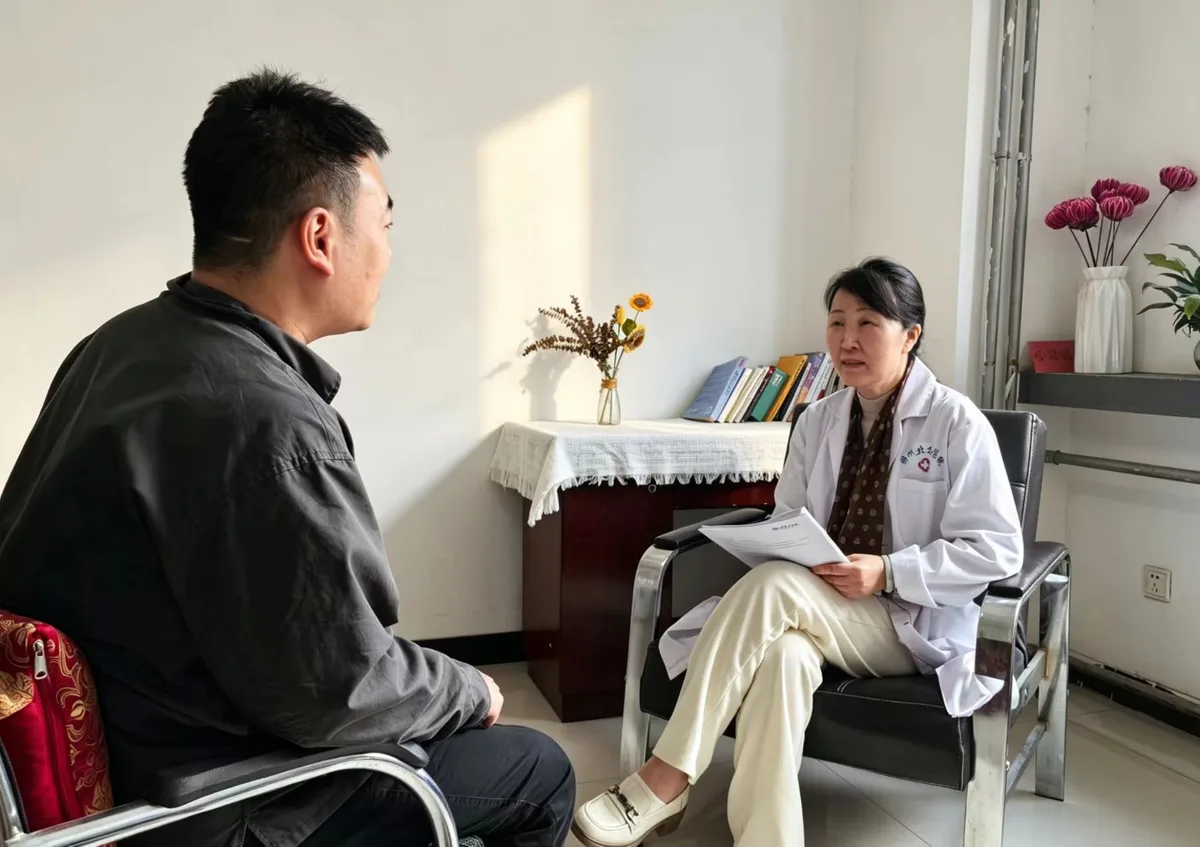
How to Gently Help a Family Member Reduce Drinking? A Scientific Path to Detoxification and Professional Support
When a family member has been drinking heavily for a long time, forced withdrawal is actually dangerous. This article explains how, through gradual reduction, habit substitution, and professional medical support, drinkers can slowly overcome alcohol dependence under conditions of low distress and high privacy, addressing the challenges of family caregiving.
Continue Learning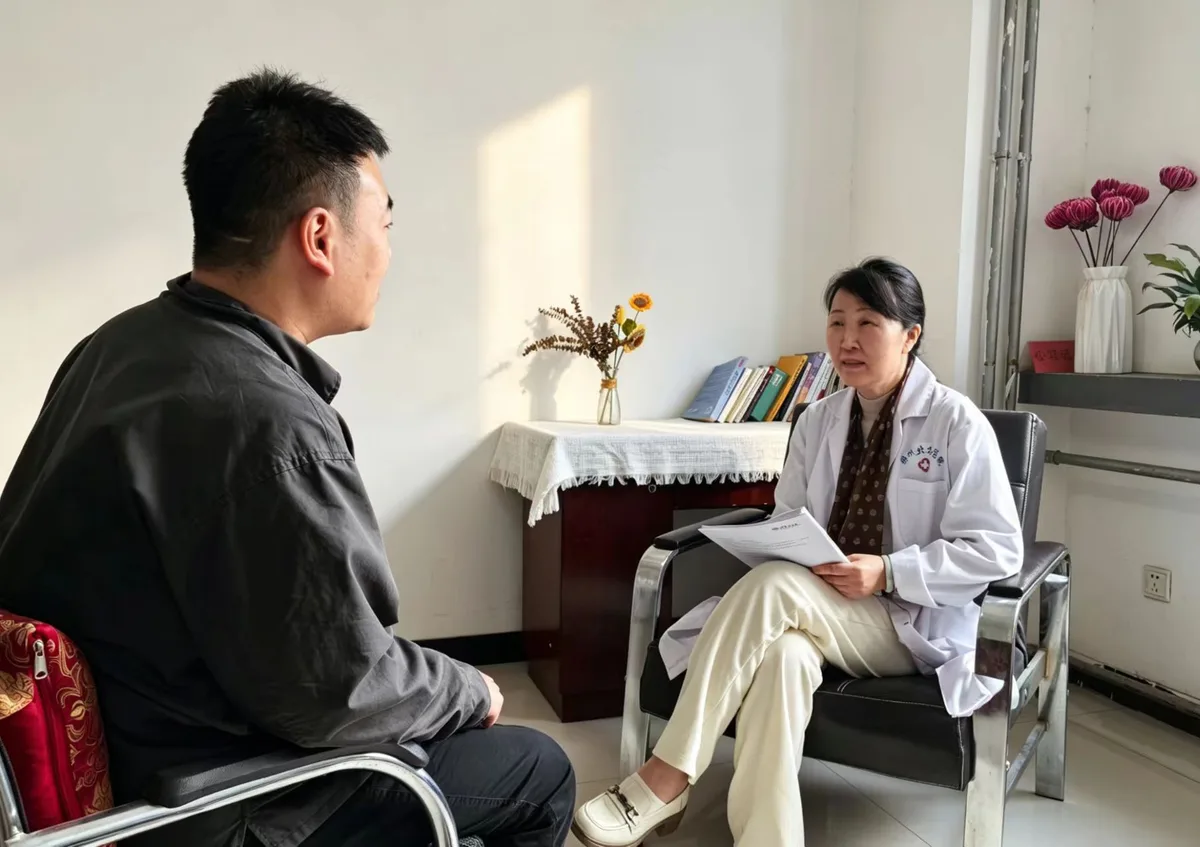
Alcohol Withdrawal Symptoms Explained: What Happens to Your Body When You Stop Drinking?
After long-term drinking leads to dependence, suddenly stopping alcohol can trigger withdrawal symptoms such as hand tremors, insomnia, anxiety, seizures, and even delirium tremens. This article systematically reviews the manifestations and risks of mild, moderate, and severe withdrawal reactions, explains why toughing it out on your own does not work, and provides a scientific path to safe alcohol cessation.
Continue Learning
Zhengzhou Beifang Alcohol Treatment Hospital: Scientific Detoxification and Full-Cycle Rehabilitation for Alcohol Dependence
Alcohol dependence is a chronic brain disease, and quitting drinking on one's own carries high risks. This article details how Zhengzhou Beifang Alcohol Treatment Hospital helps patients safely get through the withdrawal period and rebuild their physical and mental health through integrated traditional Chinese and Western medicine green detoxification, phased inpatient treatment, and lifelong relapse-prevention follow-up.
Continue Learning
Zhengzhou North Hospital Visiting and Companionship Guidelines: Hours, Items, and Communication Boundaries
Updated on April 22, 2026, the visiting and accompanying rules clarify segmented visiting hours, a list of permitted items, communication suggestions, and accompanying conditions. This helps family members understand safety boundaries in advance, making visits a true source of support for recovery while avoiding unintentional interference with treatment.
Continue Learning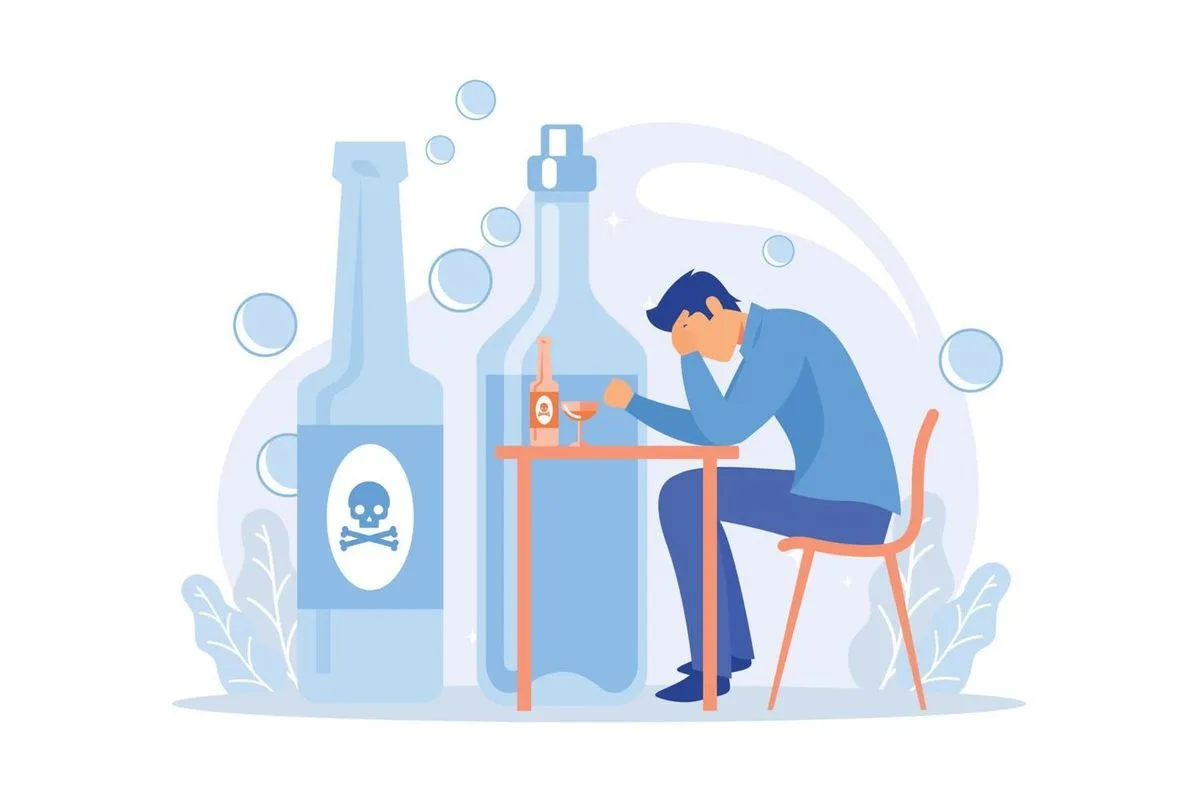
What happens to your body when you suddenly stop drinking? Understanding alcohol withdrawal syndrome scientifically
Suddenly stopping drinking can cause hand tremors, palpitations, insomnia, or even more severe reactions—these are actually withdrawal symptoms of alcohol dependence. This article systematically explains the mechanisms, common manifestations, and potential risks of withdrawal reactions, helping readers understand why it cannot be tough out, and the core approach to scientific alcohol cessation.
Continue Learning
Why can't you just tough out alcohol withdrawal on your own? A guide to safe detox pathways for alcohol dependence
Long-term drinkers who suddenly stop drinking on their own may trigger life-threatening withdrawal reactions such as delirium tremens and seizures, and the relapse rate is extremely high. This article outlines the safety risks of alcohol withdrawal and the medical monitoring process, helping to explain why quitting alcohol requires professional medical support, and what stages a complete treatment pathway includes.
Continue Learning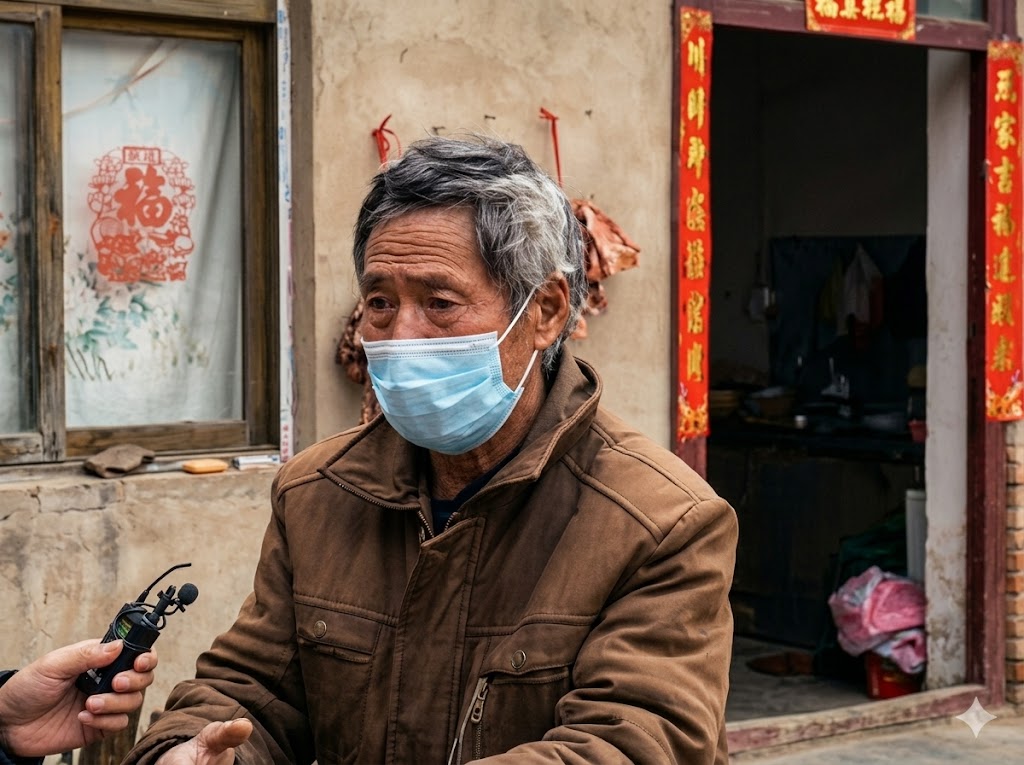
A Father's Account: How We Rebuilt Our Lives Step by Step After Our Son Was Hospitalized for Alcohol Dependence
An elderly father recounts the real experience of his family moving from panic and self-blame to learning scientific support after his son was rushed to the emergency room for alcoholic pancreatitis. The article focuses on the common dilemma of family members "doing more harm than good," and how family therapy can help rebuild boundaries and trust.
Continue Learning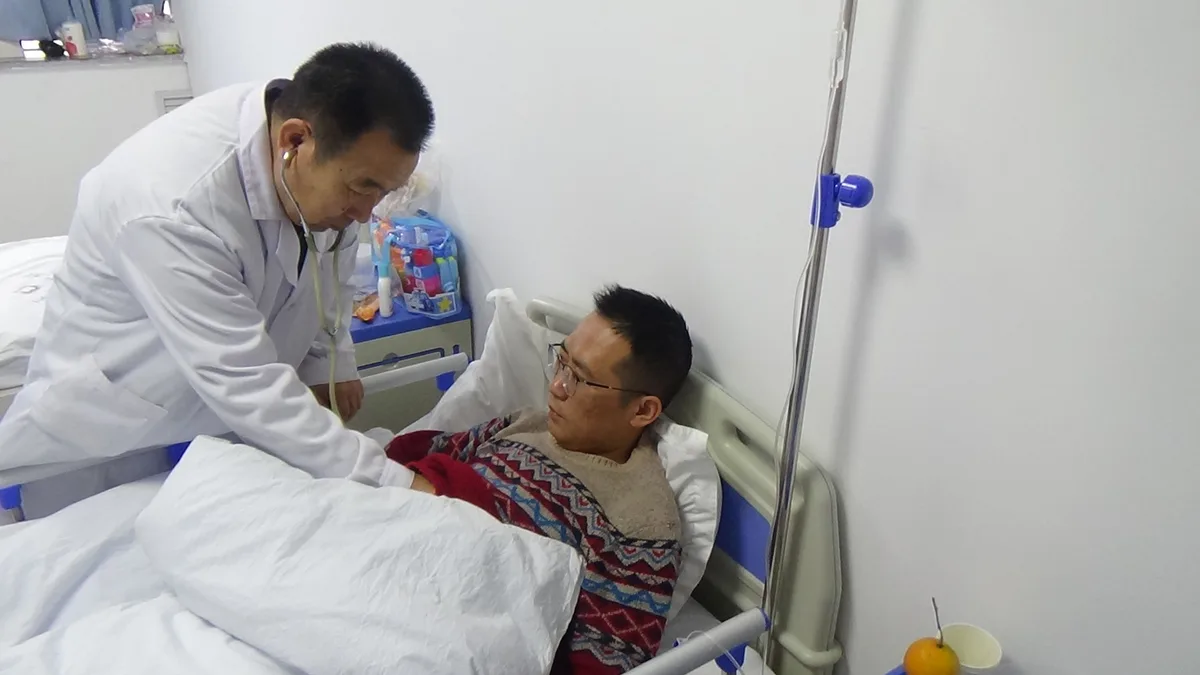
An entrepreneur's two-year record of quitting alcohol: when "having to drink" becomes "can't live without it"
How does business entertaining lead an enterprise manager from social drinking into high-functioning alcohol dependence? This article, from a first-person perspective, reconstructs the entire process from physical warning signs and family crisis to professional detoxification, offering a real reference for those struggling between the banquet table and their health.
Continue Learning
Practical Strategies for Reducing Alcohol Consumption: From Setting Goals to Recognizing Signs of Dependence
If you have not yet developed severe alcohol dependence, this article provides a practical path to reducing alcohol consumption, covering goal setting, habit adjustment, and alternative activities, and explains when professional evaluation is needed.
Continue Learning