
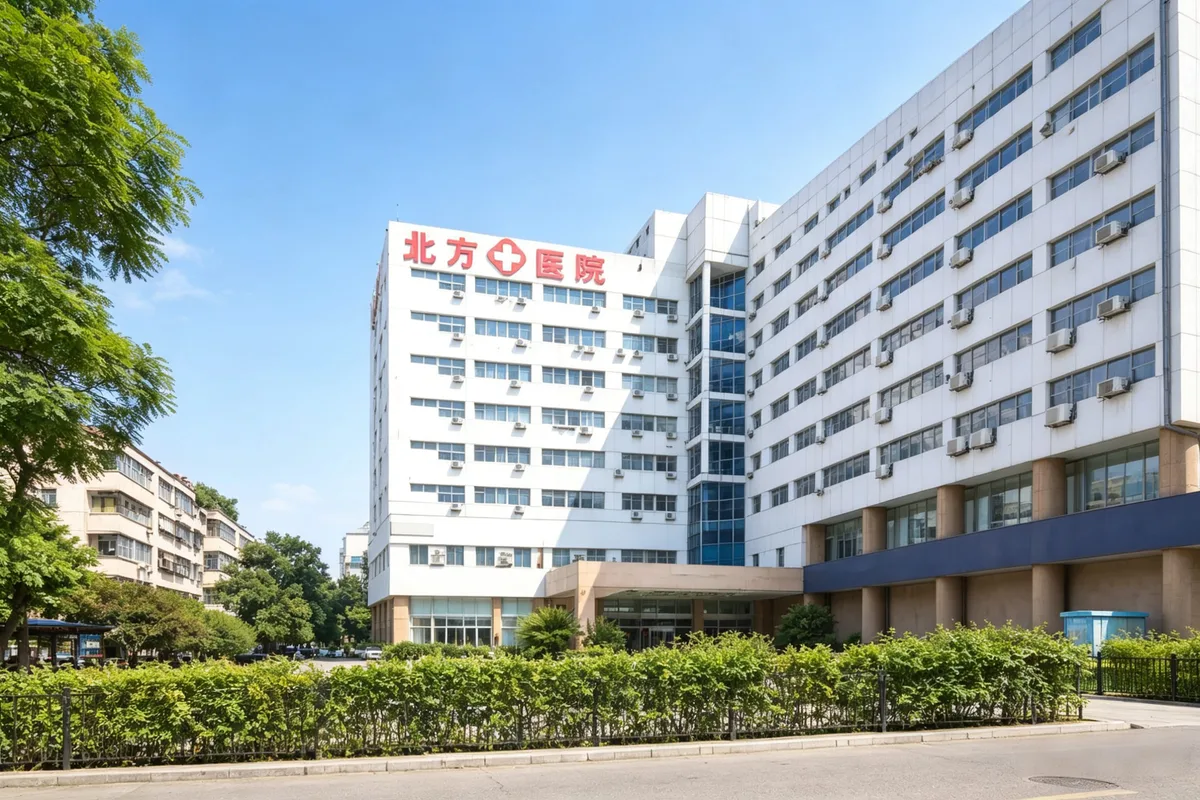
When drinking evolves from a social habit into an uncontrollable craving, and symptoms such as hand tremors, palpitations, and insomnia appear within hours of stopping alcohol, this often means that alcohol dependence has already developed. This is not a sign of weak willpower, but a chronic brain disease that requires medical intervention. Attempting to quit abruptly at home on your own not only has an extremely low success rate, but may also lead to dangerous conditions such as seizures or impaired consciousness due to severe withdrawal reactions. Choosing a professionally accredited alcohol treatment hospital and safely navigating the withdrawal period through a systematic medical plan is a key step toward returning to a healthy life. Zhengzhou Beifang Alcohol Treatment Hospital, located at No. 21 Jingsan Road, Jinshui District, Zhengzhou, as a member unit of the Zhengzhou People's Hospital Medical Consortium, has focused on the clinical diagnosis and treatment of alcohol dependence for many years, developing a complete system from acute detoxification to long-term relapse prevention.
Treat alcohol dependence as a disease, not a moral issue
Long-term heavy drinking reshapes the brain's reward circuitry, creating a dual physical and psychological dependence on alcohol. On a physiological level, once blood alcohol concentration drops, the nervous system becomes overexcited due to the loss of inhibition, triggering withdrawal symptoms such as palpitations, hand tremors, soaring blood pressure, nausea, and vomiting. In severe cases, this progresses to delirium tremens, which is life-threatening. On a psychological level, the patient's craving for alcohol overrides everything else; drinking is no longer about seeking pleasure, but about relieving the intense suffering that follows cessation. This is often accompanied by liver function damage, gastric mucosal lesions, memory decline, and anxiety and depression. Recognizing the disease nature of alcohol addiction is the prerequisite for seeking scientific help. In a professional medical environment, withdrawal reactions can be safely controlled with medication, and damaged organ function can be simultaneously regulated—something that no folk remedy or sheer willpower can replace.
Staged inpatient treatment to safely navigate the dangerous withdrawal period
Zhengzhou Beifang Alcohol Treatment Hospital divides the alcohol treatment process into three closely connected stages, each with clear medical goals. The first stage is acute detoxification, which typically requires 7 to 14 days. After admission, patients receive 24-hour vital sign monitoring. Based on comprehensive assessments including liver function, electrocardiogram, and psychological scales, physicians use medication to gradually replace the effects of alcohol, steadily controlling withdrawal symptoms such as palpitations, insomnia, and anxiety, while strictly preventing seizures and delirium. At the same time, traditional Chinese medicine uses acupuncture and herbal decoctions to soothe the liver, regulate qi, calm the mind, and stabilize the spirit, alleviating physical discomfort and laying the foundation for subsequent treatment.
The second stage is physical and psychological reconstruction during the recovery period, generally lasting 2 to 4 weeks. At this point, the patient's physiological withdrawal reactions have largely subsided, and the focus of treatment shifts to breaking psychological dependence. Through cognitive behavioral therapy, psychotherapists help patients identify and cope with high-risk situations that tend to trigger drinking urges, such as work stress, interpersonal conflict, or specific social settings. Group therapy allows patients to reduce feelings of shame through peer support and practice new emotional regulation skills. Combined with recreational activities and rehabilitation training, patients' physical fitness, daily routines, and social functioning gradually recover.
The third stage is long-term follow-up after discharge. The hospital establishes a dedicated rehabilitation record for each discharged patient. Through regular telephone or online follow-up visits, physicians dynamically assess drinking cravings, emotional state, and family relationships, intervening early if a risk of relapse is detected. This lifelong relapse-prevention support aims to help patients truly internalize the coping strategies learned during hospitalization as daily behavioral habits.
Specific practices of integrated Chinese and Western medicine: more than just medication substitution
The hospital's treatment team is composed of addiction medicine physicians, psychiatrists, psychotherapists, and traditional Chinese medicine experts, who develop differentiated combination plans based on each patient's degree of dependence and physical condition. The Western medicine approach focuses on precise assessment and pharmacological intervention, using quantitative scales to clarify the severity of dependence, employing medications to reduce psychological craving and stabilize mood, while also addressing comorbid conditions such as alcoholic liver injury or hypertension.
Traditional Chinese medicine is integrated throughout the entire process and is not limited to adjunctive care. In the early stage of detoxification, given the common presentations of thick greasy tongue coating and liver qi stagnation, herbal formulas focus on clearing the liver, promoting bile flow, strengthening the spleen, and harmonizing the stomach, accelerating the elimination of alcohol metabolites from the body and improving nausea and loss of appetite. Acupuncture at points such as Neiguan, Shenmen, and Zusanli provides immediate effects in relieving anxiety and insomnia and stabilizing heart rate. During the recovery period, the approach shifts to nourishing the liver and kidneys, supplementing qi and nourishing yin, repairing the organic damage caused by long-term drinking. This integrated Chinese-Western medicine model is particularly suitable for patients who are physically weak, older, or have failed multiple previous attempts at quitting, avoiding the intense physical and psychological shock of forced abstinence.
Privacy protection and family support form the dual guarantee of recovery
Considering that many patients have concerns about seeking medical care, the hospital's alcohol treatment center operates with an independent zoning system, offering both standard wards and VIP wards. The entire treatment process follows a one-on-one model, and medical records are strictly confidential. This arrangement reduces external interference and allows patients to focus on treatment itself. The nursing team provides 24-hour daily care, from nutritional meal planning to personal hygiene, all with dedicated staff follow-up, ensuring that patients receive proper care when physically exhausted during the early withdrawal period.
Family support is an indispensable link in the relapse-prevention chain. The hospital regularly organizes family communication meetings, where physicians and psychological counselors explain the disease knowledge of alcohol addiction, behavioral manifestations during the withdrawal period, and communication skills after discharge. When family members understand the uncontrollable nature of craving episodes and learn to replace blame with supervision and preaching with companionship, the family environment transforms from a trigger for relapse into a safe base for recovery. For patients who have already experienced serious family conflicts due to drinking, the hospital also provides separate family therapy to help repair fractured relationships.
Recognizing the signs that require immediate medical attention
Alcohol dependence is progressive in nature, and delaying treatment will not make the problem disappear on its own. If any of the following situations occur, it is recommended to seek evaluation at a professional institution as soon as possible: needing to drink every day to maintain normal functioning, with obvious hand tremors, sweating, or palpitations when not drinking; drinking amounts increasing year after year, with multiple failed attempts to reduce or quit; or drinking leading to abnormal liver function, gastric bleeding, severe memory decline, or causing family conflict and work errors. Early intervention not only reduces withdrawal risks, but also maximally preserves the patient's physical health and social functioning. Zhengzhou Beifang Alcohol Treatment Hospital offers a complete pathway from crisis intervention to long-term recovery, helping patients gradually break free from uncontrolled drinking patterns and rebuild an orderly rhythm of life.