







Knowledge and Stories

Disease Education

Understand alcohol harm, dependence, withdrawal, and treatment options before deciding whether an assessment is needed.

How to Read These Science Articles

First Understand the Differences Between Harm, Dependence, and Withdrawal Before Deciding Whether to Assess

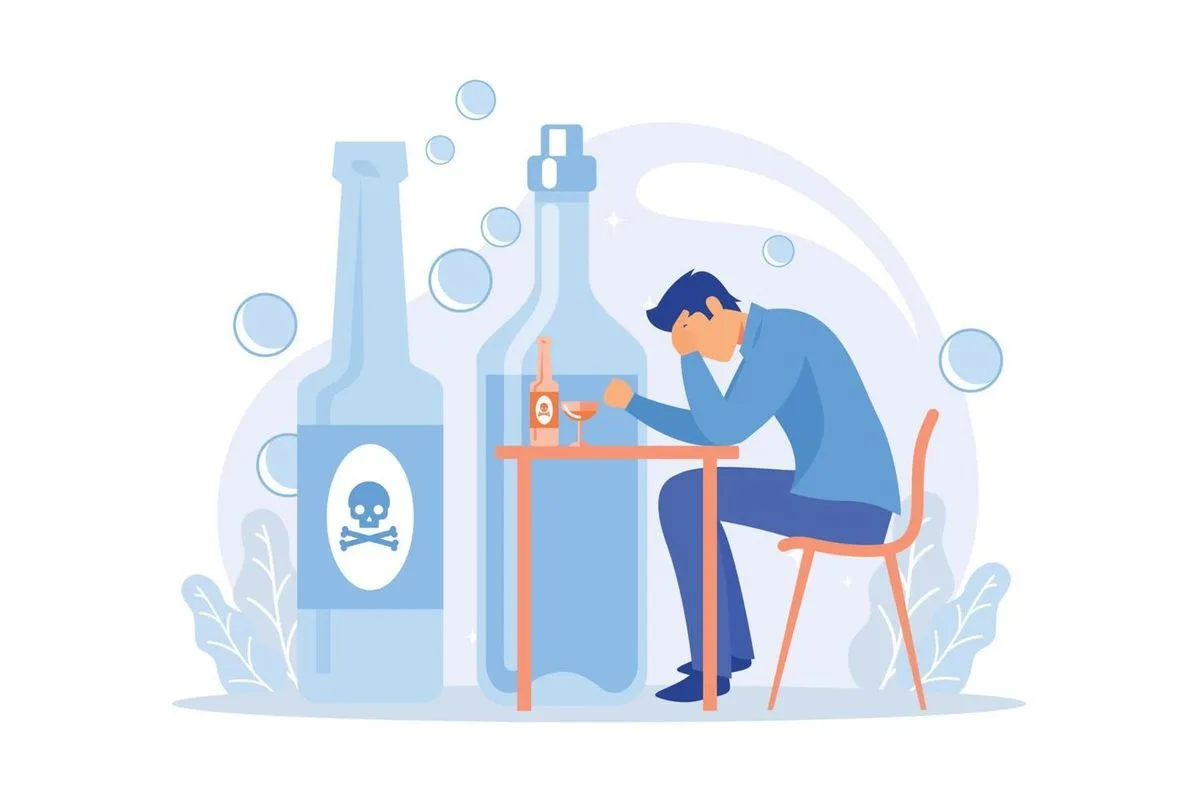
The dangers of alcoholism focus on physical and familial costs; alcohol dependence focuses on loss of control and life being dominated by drinking; withdrawal symptoms focus on the risks after stopping alcohol. Understanding these three levels makes it easier to determine whether to observe first, communicate first, or seek medical evaluation promptly. For costs and hospital arrangements, please refer to the dedicated page.

  • Harm ≠ Dependence
  • Dependence often requires professional assessment
  • Withdrawal may carry risks
  • "facts": "You can call first before deciding to come to the hospital"

All Science Articles

Chinese Family Drinking Checklist: 3 Dimensions for Moving from Loss of Control to Action
Health Education

Chinese Family Drinking Checklist: 3 Dimensions for Moving from Loss of Control to Action

International drinking rankings offer limited help to ordinary families. This article provides an actionable "drinking checklist" that helps you determine whether drinking has crossed the line from three dimensions—sense of control, physical safety, and family cost—and offers step-by-step coping strategies.

Continue Learning
How Income and Stress Shape Drinking Patterns: An Analysis of Structural Factors
Health Education

How Income and Stress Shape Drinking Patterns: An Analysis of Structural Factors

Drinking risk pathways differ significantly across socioeconomic groups. This article examines the structural factors of income level, occupational stress, and social support to analyze the mechanisms underlying high-risk drinking, avoiding simplistic moral judgments, helping readers understand their own or family members' situations, and identifying actionable directions for early detection and intervention.

Continue Learning
How Does Glass Shape Quietly Affect How Much You Drink? The Mechanisms of Environmental Cues and How to Respond
Health Education

How Does Glass Shape Quietly Affect How Much You Drink? The Mechanisms of Environmental Cues and How to Respond

Environmental cues such as glass size, shape, and pouring speed bypass rational decision-making and directly increase alcohol consumption. This article breaks down the mechanisms from a behavioral science perspective and provides an actionable 48-hour home action framework to help identify and adjust easily overlooked drinking triggers in the environment.

Continue Learning
How Social Media Glamorizes Drinking: Media Literacy Lessons from Tobacco Control
Health Education

How Social Media Glamorizes Drinking: Media Literacy Lessons from Tobacco Control

Social media platforms are packaging drinking behavior the same way they once glamorized tobacco, making the risks look "cool." This article helps you build the ability to recognize and respond across four levels—media mechanisms, high-risk scenarios, escalation signals, and risk-reduction actions—so you won't be led astray by algorithms and social display.

Continue Learning
The Inducement Mechanisms of Alcohol Advertising Targeting Young People and a Parent's Guide to Recognizing Them
Health Education

The Inducement Mechanisms of Alcohol Advertising Targeting Young People and a Parent's Guide to Recognizing Them

This article analyzes how alcohol advertisements targeting young people bypass cognitive defenses through scene placement and social media dissemination, and provides a checklist parents can use to identify early warning signs of drinking risk, clarifying the appropriate response directions at different stages.

Continue Learning
Why Sweet Premixed Drinks Appeal More to Young People: Mechanisms and Risks
Health Education

Why Sweet Premixed Drinks Appeal More to Young People: Mechanisms and Risks

The sweetness, carbonation, and low-alcohol illusion make premixed drinks more acceptable to young people and more likely to mask early signs of alcohol dependence. This article breaks down the mechanisms from the perspectives of product design, cognitive bias, and family communication, helping parents identify risks and find actionable responses.

Continue Learning
How alcohol marketing makes young people underestimate the risks of drinking
Health Education

How alcohol marketing makes young people underestimate the risks of drinking

Packaging, endorsements, and scene-based marketing can quietly lower young people's guard against alcohol, making drinking seem safer and more routine. This article outlines common tactics behind advertising, helping families see the influence clearly, learn to assess drinking behavior with an objective checklist, reduce arguments, and find a common starting point for addressing it together.

Continue Learning
Underage Drinking: Brain Development and Legal Protection Behind Age Restrictions
Health Education

Underage Drinking: Brain Development and Legal Protection Behind Age Restrictions

This article analyzes from the perspectives of brain science and law why China strictly prohibits alcohol consumption by minors, clarifies common misconceptions, and provides practical family-oriented methods for risk identification and response, helping parents understand that the "age line" is not a restriction but a form of protection.

Continue Learning
Can Higher Alcohol Prices Reduce Drinking? Specific Interventions Families Can Take
Health Education

Can Higher Alcohol Prices Reduce Drinking? Specific Interventions Families Can Take

Price policy has a macro-level impact on overall alcohol consumption, but it cannot replace household rules and early identification. This article breaks down relapse signals into three stages—emotional, psychological, and behavioral—and provides actionable family support and intervention methods to help respond in time before the problem escalates.

Continue Learning

Frequently Asked Questions for Public Education Reading

First distinguish between harm, dependence, and withdrawal, then decide whether an assessment is needed.

Is heavy drinking the same as alcohol dependence?

Not entirely. Alcohol abuse more commonly describes excessive drinking with associated harms; alcohol dependence places greater emphasis on impaired control, increased tolerance, withdrawal discomfort, and compromised daily functioning. When signs of dependence appear, professional evaluation is recommended.

"How dangerous are withdrawal symptoms?"

The severity varies greatly. Hand tremors, insomnia, and irritability are relatively common; hallucinations, convulsions, and confusion are danger signs—these should not be endured without medical attention, and immediate treatment should be sought.

Still unsure what to do after reading the science popularization?

You can proceed to the "What to Do Now" action path, or first review the frequently asked questions by family members and the fee explanation; call 0371-65338120 for personalized advice when needed.

Which articles are suitable for family members to read first?

It is recommended to first read the topics on the dangers of alcoholism and alcohol dependence, as well as the safe withdrawal guide, then proceed to corresponding science articles based on specific concerns such as liver disease, insomnia, or mood disorders.

Not sure where to start?

Start with the Issues Families Are Facing Now

Help me find the next step