
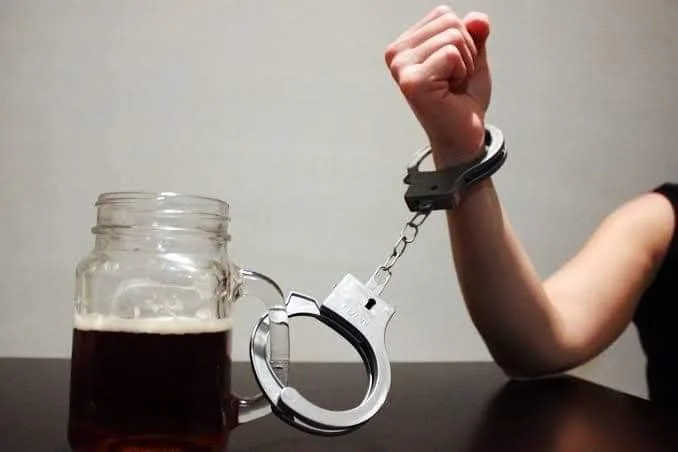
Medical Definition of Binge Drinking and Common Scenarios
Binge drinking refers to consuming 5 or more standard alcoholic drinks within about 2 hours for men, and 4 or more drinks for women. Here, "one drink" typically corresponds to an amount containing approximately 14 grams of pure alcohol, roughly equivalent to 350 ml of beer, 150 ml of wine, or 40 ml of spirits. This drinking pattern is very common in business banquets, holiday gatherings, class reunions, and other social occasions. Many people mistakenly believe that "not drinking regularly, just occasionally, is no big deal," while overlooking the acute risks posed by a single episode of heavy alcohol intake.
It should be made clear that occasional binge drinking does not equate to having alcohol use disorder, but it is a clearly high-risk drinking behavior. Research has found that the higher the frequency of binge drinking, the greater the likelihood of developing alcohol dependence and other substance use disorders. Even occurring only once or twice a month is enough to cause measurable short-term impacts on the cardiovascular system, liver, and nervous system.
Acute Alcohol Intoxication: From Excitement to Respiratory Depression
The most direct risk of binge drinking is acute alcohol intoxication. When blood alcohol concentration rises rapidly, brain central nervous system functions are progressively suppressed by region. Early manifestations include euphoria and disinhibition. As the concentration continues to rise, slurred speech, unsteady gait, nausea, and vomiting appear. When blood alcohol concentration reaches 0.20% or above, the individual may enter a state of confusion or even coma. Suppression of the medullary respiratory center can lead to slowed, irregular, or even stopped breathing—a life-threatening emergency.
The danger of acute intoxication lies in the fact that while the drinker may feel "fine," alcohol in the body continues to be absorbed and blood concentration keeps rising. Especially when drinking on an empty stomach, chugging drinks in a short time, or mixing with carbonated beverages, alcohol enters the bloodstream faster, significantly increasing the risk of intoxication. If someone nearby is found unconscious after drinking, with cold, clammy skin and slow breathing (fewer than 8 breaths per minute), call emergency services immediately, and while waiting, keep the person lying on their side to prevent choking on vomit.
The Neural Mechanism of Blackouts and Hidden Risks
Binge drinking often leads to "blackouts"—a form of alcohol-induced transient amnesia. Unlike ordinary forgetting of details, during a blackout the individual can still engage in complex activities such as conversing, walking, or even driving, but afterward has no memory of the experience at all. The mechanism lies in the fact that high concentrations of alcohol interfere with the hippocampus's process of converting short-term memory into long-term memory, essentially pausing the brain's "recording" function.
Blackouts are divided into fragmentary (partial memory loss) and complete (entire period blank) types. Regardless of type, they mean the person may make high-risk decisions in a state without memory, such as unprotected sex, impulsive spending, conflicts with others, or illegal acts like drunk driving. The legal, financial, and interpersonal consequences of these behaviors are often only realized after sobering up, by which time the harm has already occurred. Repeated blackouts also indicate altered sensitivity of the brain to alcohol and are a neural adaptation signal worthy of vigilance.
The Multiple Impacts of Binge Drinking on Organ Systems
Beyond acute intoxication and memory impairment, binge drinking also impacts multiple organ systems within a short period. In terms of the cardiovascular system, large amounts of alcohol can induce arrhythmias—commonly known as "holiday heart syndrome"—which can occur even without a history of underlying heart disease, manifesting as palpitations and chest tightness, and in severe cases can lead to atrial fibrillation and heart failure. Blood pressure also fluctuates, first dropping then rising within hours after drinking, which is particularly unfavorable for patients with hypertension.
The liver is the main battlefield for alcohol metabolism. A single episode of binge drinking can cause acute alcoholic liver injury, manifested as elevated transaminases and fatty degeneration of liver cells. If binge drinking is repeated, the liver undergoes repeated "injury-repair" cycles, with progressive accumulation of fibrosis risk, potentially eventually progressing to alcoholic hepatitis or cirrhosis. In addition, binge drinking can induce acute pancreatitis through mechanisms such as stimulating pancreatic secretion and causing spasm of the sphincter of Oddi—an acute abdominal condition with severe pain and a not-insignificant mortality rate. The respiratory system is also affected, as alcohol suppresses the respiratory center and reduces airway protective reflexes, increasing the risk of choking and aspiration pneumonia.
How Binge Drinking Affects Daily Life and Functioning
The consequences of binge drinking extend beyond the body; they also permeate work, family, and social life. The headache, nausea, poor concentration, and fatigue of a hangover directly lead to absenteeism or significantly reduced work performance the next day. In the long term, repeated binge drinkers often see their career stability and promotion opportunities affected. In interpersonal relationships, emotional loss of control, verbal aggression, or inappropriate behavior while intoxicated can easily trigger partner arguments and estrangement from friends and family, and making amends afterward is often difficult.
Legal risks should not be overlooked either. Drunk driving is the most common alcohol-related illegal behavior. Even after several hours following a binge drinking episode, alcohol in the body may still exceed legal limits. A single drunk driving record not only entails fines, demerit points, and license suspension but may also affect professional qualifications and credit records. Economically, when emergency medical costs, vehicle repairs, legal proceedings, and lost income are combined, the true cost of a single binge drinking event far exceeds the price of the alcohol itself.
Recognizing Early Warning Signs and Seeking Professional Assessment
Occasional binge drinking does not warrant excessive panic, but it is a signal that needs to be taken seriously. Several dimensions can be considered: whether in the past year you have repeatedly consumed alcohol above the aforementioned limits; whether you have experienced memory blackouts, injuries, or been involved in conflicts due to drinking; and whether anyone has expressed concern about your drinking patterns. If these situations recur, it suggests that the drinking pattern may have gone beyond the scope of "occasional indulgence."
The first step in adjustment is to establish a clear personal drinking limit and set boundaries in advance in social settings, such as alternating with non-alcoholic beverages, controlling drinking speed, and avoiding attending events on an empty stomach. If self-control is difficult, or if withdrawal discomfort, increased craving, or other symptoms have already appeared, professional assessment is recommended as early as possible. Understanding your own drinking pattern and risk level is a key step in preventing the problem from deepening. For further information on assessment methods, you can view the alcohol use risk assessment tool or refer to the alcohol withdrawal safety guide, or contact the professional team for individualized advice.