
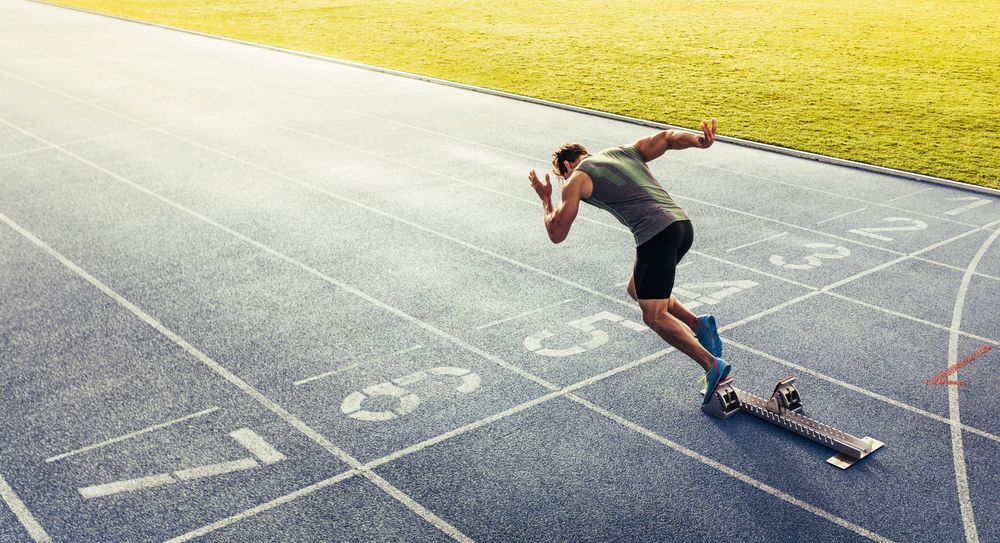
From "Wanting a Drink" to "Lacing Up Running Shoes"
In the past, when I felt stressed or bored, I almost instinctively reached for a drink. That brief numbing sensation was the only outlet I knew at the time. During my systematic treatment at Zhengzhou North Hospital, the medical team repeatedly reminded me: quitting alcohol isn't just about "stopping drinking"—it's about finding something to replace alcohol, to refill the time and emotions that alcohol once occupied. They suggested I try exercise, even if it was just going out for a walk every day.
Honestly, at first I didn't believe it at all. My body had just come off alcohol dependence, weak as if it had been hollowed out—walking a few quick steps left me flustered and short of breath, and running a few hundred meters left me gasping and unable to straighten my back. But precisely because my body sent these signals, I realized how badly alcohol had overdrawn it. I didn't force myself to run right away; instead, I started with a 20-minute walk after dinner every day. After two weeks of sticking with it, I began trying brisk walking, then gradually transitioned to jogging. A few months later, I found myself at the finish line of a half marathon. The marathon wasn't the point—what mattered was that I realized I hadn't wanted a drink at dusk in a long time. At that hour, I was out circling the neighborhood in my running shoes.
How Exercise Helps You "Catch" the Empty Period After Quitting Alcohol
The hardest part of early sobriety is often not the physical withdrawal symptoms, but the suddenly empty stretches of time and the emotions that have nowhere to go. The anxiety, irritability, and boredom you used to suppress with alcohol all come flooding back at once. Exercise plays a role here not as a simple "distraction," but as a way to help you rebuild a self-regulation mechanism from both physiological and psychological levels.
Physiologically, moderate-intensity aerobic exercise promotes the release of endorphins and dopamine. The pleasure and satisfaction these neurotransmitters bring can partially replace the stimulation alcohol provides to the brain's reward system. This explains why many people experience a noticeable drop in alcohol cravings after a run or a swim—it's not about gritting your teeth through willpower; it's that the brain has already received part of what it originally sought from alcohol. Psychologically, every time you complete an exercise plan—even if it's just walking 500 more steps than yesterday—you build a sense of self-efficacy, a feeling of "I can control my own body." For someone who has long been stripped of a sense of control by alcohol dependence, this feeling itself is a form of repair.
A Gradual Plan Starting with Walking: No Willpower Required
When many people hear "exercise rehabilitation," they picture sweating it out in a gym or the pressure of having to run five kilometers every day. That kind of thinking is exactly what makes people give up before they even start. My approach was to lower the bar to a level that requires almost no willpower at all.
Phase one: do just one thing—go out for a walk at a fixed time every day, 15 to 20 minutes is enough. The key isn't intensity, but building a conditioned reflex of "when it's this time, I go out," gradually replacing the old habit of "when it's this time, I drink." Phase two: add short bursts of brisk walking to your walks—for example, walk for 5 minutes, brisk-walk for 3 minutes, alternating. Phase three: once your body adapts, you can try jogging, cycling, swimming, or following videos for at-home strength training. The core principle throughout is "finish first, perfect later"—better to move for just 15 minutes a day than to make a grand plan and quit after three days. If you're in the early stages of quitting alcohol and your body is still weak, it's recommended to consult a doctor or rehabilitation therapist first to assess your cardiovascular condition before choosing an appropriate exercise intensity. At Zhengzhou North Hospital, rehabilitation plans typically include activity recommendations tailored to individual circumstances, and you can also learn about precautions during the physical recovery period through the Alcohol Withdrawal Safety Guide.
Rebuilding Social Connections Through Exercise: Finding a Circle That Doesn't Drink
After quitting alcohol, many people face a practical dilemma: their original social circle is almost entirely tied to drinking. Dinner parties, gatherings, even phone calls—everything eventually circles back to alcohol. If you don't proactively build new social connections, loneliness can easily pull you back onto the path of relapse.
Exercise gave me a brand-new social entry point. I joined a local running group that trains together at a fixed time each week. In this circle, no one cares whether you drink; people talk about pace, running shoes, and weekend routes. This kind of relationship, built on shared interests rather than alcohol, let me feel for the first time the ease of "being accepted without drinking." If you don't like running, you can also try hiking, badminton, cycling, yoga, or other group activities. Even just following a morning exercise group in the park to practice Baduanjin can give you a sense of rhythmic togetherness. The role of this social support in preventing relapse has been validated by extensive rehabilitation practice—when your life gains new commitments and connections, alcohol's appeal naturally diminishes.
Sleep, Mood, and Confidence: The Chain Reaction of Exercise
The damage long-term drinking does to sleep is something many people overlook. Alcohol can make you fall asleep quickly, but it severely disrupts deep sleep and REM sleep in the second half of the night, leaving you exhausted when you wake up. In early sobriety, insomnia and mood swings are nearly universal. Exercise helped me in ways I didn't expect. Regular moderate-intensity exercise can regulate the circadian rhythm, shorten the time it takes to fall asleep, and increase the proportion of deep sleep. After I started running, falling asleep became easier, and the number of times I woke up at night dropped noticeably. With better sleep, my mood was more stable during the day, and my ability to cope with stress and cravings grew stronger.
There's another change that's harder to quantify: the return of self-confidence. During the years of alcohol dependence, I disappointed myself so many times that I felt I couldn't control anything. Going from being out of breath after a few steps, to running 30 minutes straight, to finishing a half marathon—this experience of "saying I'd do it and doing it" gradually repaired my trust in myself. The physical changes also made the results of recovery more tangible—my weight dropped, my complexion improved, and my check-up indicators slowly returned to normal. These positive feedback loops create a virtuous cycle, making you more willing to keep taking care of yourself rather than retreating back into alcohol. If you're in a low emotional period after quitting, you might also want to learn about the role of family support in recovery, so the people around you can understand what you're going through.
Making Exercise a Daily Tool for Relapse Prevention
Exercise isn't a one-time effort; it's a recovery tool you can use long-term. My approach is to schedule exercise during the times when I'm most triggered to drink. For me, that's between 5 and 7 p.m.—that used to be when I'd pour my first drink. Now that time slot is reserved for running or brisk walking. When your body gets used to sweating at that hour instead of drinking, the craving gradually fades.
If you're also thinking about giving it a try, you can start with these specific steps: First, identify the time of day when you most want to drink, and set that as your exercise time. Second, prepare your workout gear in advance to lower the barrier to getting started. Third, record your daily exercise and your level of craving that day, and you'll gradually see the connection between the two. Fourth, if you really don't feel like moving on a given day, allow yourself to walk for just 10 minutes—consistency matters far more than intensity. Fifth, find someone to exercise with, or join an online check-in group; social commitment will help you get through those moments of weak willpower. Recovery is a long process, and exercise won't make all problems disappear, but it can give you a more stable foundation. If you need more systematic recovery support, you can check out the complete treatment pathway to find a pace that suits you.