
Relapse Is Not Failure, but a Signal on the Road to Recovery
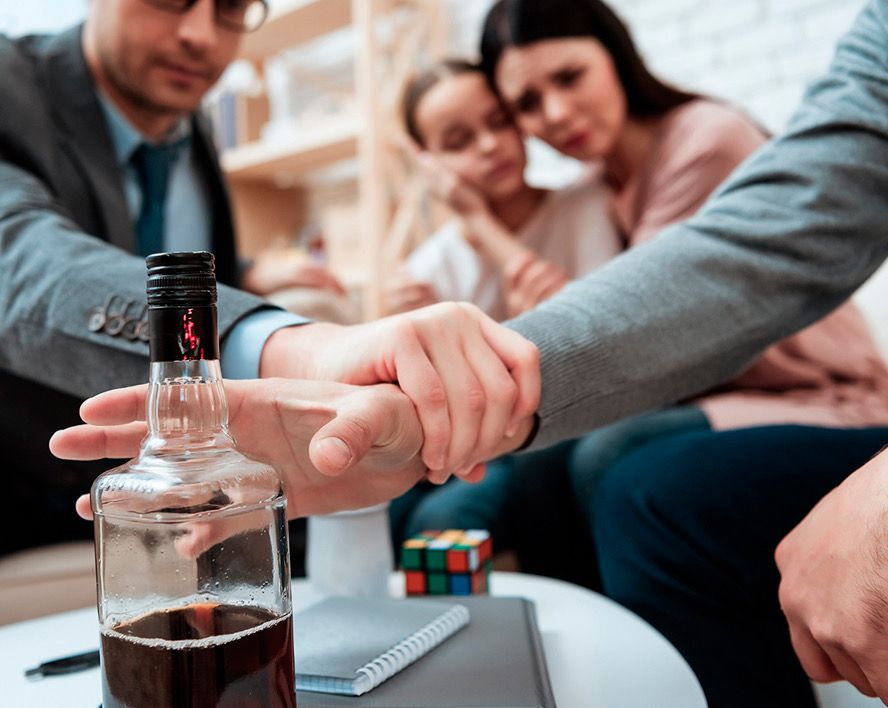
Many people, after a period of abstinence, suddenly experience a strong urge to drink, or unconsciously pick up a glass at some moment. This does not mean that your earlier efforts were in vain, nor does it mean you are "back to square one." In the recovery process from alcohol use disorder, relapse is more like a signal that needs to be interpreted—it is reminding you that there may be gaps in your current stress levels, emotions, or living environment that need to be patched up in time. Viewing relapse as a process rather than an event allows you to intervene early when minor fluctuations occur, instead of waiting until you have fully relapsed and then falling into self-blame.
Learn to Recognize the Early Warnings from Your Body and Emotions
Relapse rarely happens without warning; usually, before it occurs, the body and mind have already released a series of signals. Paying attention to these changes is the first step in prevention.
- Long-term emotional suppression: Habitually suppressing anger, anxiety, or sadness, being unwilling to open up to those around you, and always feeling you can tough it out on your own. When emotions do not flow, it is easy to turn to alcohol for quick release.
- Unilaterally discontinuing maintenance plans: After feeling that your condition has improved, stopping the abstinence maintenance medications prescribed by your doctor on your own, or no longer attending psychological counseling, thinking "I'm fine now, so I don't need it anymore."
- Repeatedly romanticizing drinking scenarios: Unconsciously recalling images of past drinking, remembering only the relaxing, pleasurable parts while deliberately downplaying the pain of hangovers, loss of control, and broken relationships.
- Minimizing past consequences: Starting to tell yourself "it wasn't that bad back then" or "others drink more than I do and they're fine," using such thoughts to weaken your resolve to stay sober.
- Returning to high-risk social settings: Reconnecting with friends you used to drink with, or frequently visiting bars, food stalls, or other places you used to frequent, even if it's just to "sit around."
- Disrupted daily rhythm: Staying up late for long periods, irregular meals, stopping exercise—when the body is in a state of fatigue and depletion, self-control noticeably declines.
Rebuild Daily Structure: Stabilize Your Foundation with an Actionable Lifestyle
Preventing relapse cannot rely solely on "holding back from drinking"; it requires a daily structure that can replace the function of alcohol. When life has a stable rhythm and positive feedback, the appeal of alcohol naturally diminishes.
- Consistent schedule and diet: Wake up, eat, and go to sleep at similar times each day, avoiding triggers for drinking urges caused by hunger, fatigue, or a reversed day-night cycle. A balanced intake of protein, vegetables, and whole grains helps stabilize blood sugar and mood.
- Regular physical activity: No need for high-intensity training—30 minutes of brisk walking, cycling, or simple home stretching each day can promote endorphin secretion and relieve anxiety and depression. Exercise itself is a natural way to release stress.
- Cultivate alternative relaxation methods: Find one or two activities that engage your hands and attention, such as cooking, gardening, playing an instrument, woodworking, or painting. These activities can provide a healthy outlet when you feel empty or restless.
- Plan ahead for high-risk periods: For times that easily trigger drinking urges, such as before holidays, paydays, or family gatherings, prepare coping plans in advance. You can arrange a movie, a short hike, or a phone call with a friend who supports your sobriety.
Build Your Support Network: You Don't Have to Tough It Out Alone
Isolation is a major driver of relapse. Building a support system that understands your situation without indulging your drinking is key to maintaining long-term sobriety.
- Communicate openly with family: Tell close family members what you are going through and what kind of help you need from them—whether it's simply sitting quietly with you when you're feeling down, or firmly refusing when you ask for a drink. Specific requests are more effective than a vague "support me."
- Join mutual support groups: Whether online or offline, regularly communicating with people who have similar experiences in abstinence support groups can reduce the loneliness of feeling "I'm the only one struggling." Hearing how others cope with temptation often brings new inspiration.
- Maintain professional contact: Returning to the hospital for regular follow-ups is not a sign that you "haven't recovered," but rather routine management similar to that of a chronic disease. Your doctor can adjust your plan based on your current condition and promptly address issues such as sleep disorders or mood swings that may trigger relapse. If you are unsure whether your current state requires intervention, you can learn about the phased arrangements in the treatment pathway.
Specific Methods for Handling High-Risk Situations
Even with thorough preparation, strong cravings for alcohol can still suddenly arise in life. At such times, you need some immediately usable techniques.
- Delay the decision: When the urge hits, tell yourself, "I'll wait 20 minutes before thinking about this again." Most cravings naturally diminish within 15 to 30 minutes. During those 20 minutes, you can splash cold water on your face, take a brisk walk outside, or call someone you trust.
- Change your environment: Immediately leave the place that is triggering your urge. If you're at home, walk from the living room to the balcony; if you're at a social event, excuse yourself to the restroom or leave early. A change in physical space can interrupt habitual thinking.
- Review your personal cost list: In advance, write down in your phone's notes app the specific losses alcohol has caused you—perhaps abnormal indicators on a physical exam report, a broken relationship, or a missed job opportunity. When the urge strikes, take it out and read it item by item, using facts to counter your brain's rosy filter.
- Keep no alcohol at home: Negotiate with family members not to keep any alcoholic beverages in the house, including cooking wine, which should be replaced or properly stored away whenever possible. Reducing the convenience of easy access can greatly lower the probability of a momentary impulse leading to relapse. For adjustments to the home environment in the early stages of abstinence, you can read the specific recommendations in the family support guide.
Turning "Small Slips" into Opportunities for Adjustment
If a drinking episode has already occurred, there is no need to define it as a complete failure. Instead, it can be treated as important feedback: which aspects were overlooked recently? Was it a sudden increase in work stress, or an escalation of conflict with a family member? With the assistance of a professional, calmly review what happened before this "slip," what your emotional state was at the time, and how you felt afterward. This process is not about assigning blame, but about finding the holes in the safety net and patching them more firmly. Many people, after experiencing a lapse, actually gain a clearer understanding of their own trigger patterns, and subsequent abstinence maintenance becomes more stable. If you are currently going through such a lapse, you can access professional support at any time through the emergency help channel.
Treat recovery as a long-term capacity-building process
Relapse prevention ultimately aims not just at "not drinking," but at building the capacity to cope with life's ups and downs without alcohol. This capacity includes: the ability to identify and express emotions, the ability to self-soothe under stress, the ability to establish and maintain healthy relationships, and the ability to get back up in the face of setbacks. None of these are achieved overnight; rather, they are gradually accumulated through small daily choices. Every difficult moment you get through without drinking adds a new tool to your recovery toolbox. Over time, this toolbox becomes increasingly complete, and the position that alcohol once occupied will be filled with richer, more substantial life content.