
What "Cold Turkey" Quitting Alcohol Really Means
"Cold turkey" comes from the English term Cold Turkey, meaning to stop drinking completely and abruptly, without any medical help and without gradually reducing the amount. For someone who drinks occasionally, this may only cause a few days of discomfort; but for someone who has drunk heavily for a long time and whose body has developed dependence, this sudden cessation can disrupt the fragile balance of the central nervous system, triggering a series of intense physiological reactions that may become life-threatening in severe cases.
Why the Body Cannot Tolerate Sudden Alcohol Cessation
Alcohol is a central nervous system depressant. Long-term heavy drinking causes the brain to gradually adapt to this state of continuous suppression. To maintain normal functioning, the brain compensates by increasing neuronal excitability—similar to keeping the brake pressed while continuously stepping harder on the accelerator. When alcohol is suddenly removed, it is like the brake being released abruptly while the accelerator is still floored, causing the nervous system to become overexcited, with symptoms such as rapid heartbeat, elevated blood pressure, anxiety, tremors, and even progression to seizures or impaired consciousness.
This neural adaptation takes time to recalibrate gradually, so sudden alcohol cessation is not a matter of "willpower" but a genuine physiological risk. Each person's degree of dependence, years of drinking, liver function, and nutritional status differ, and the presentation and severity of withdrawal reactions vary greatly, so one cannot simply apply another person's experience.
Severe Reactions That May Occur with Cold Turkey Withdrawal
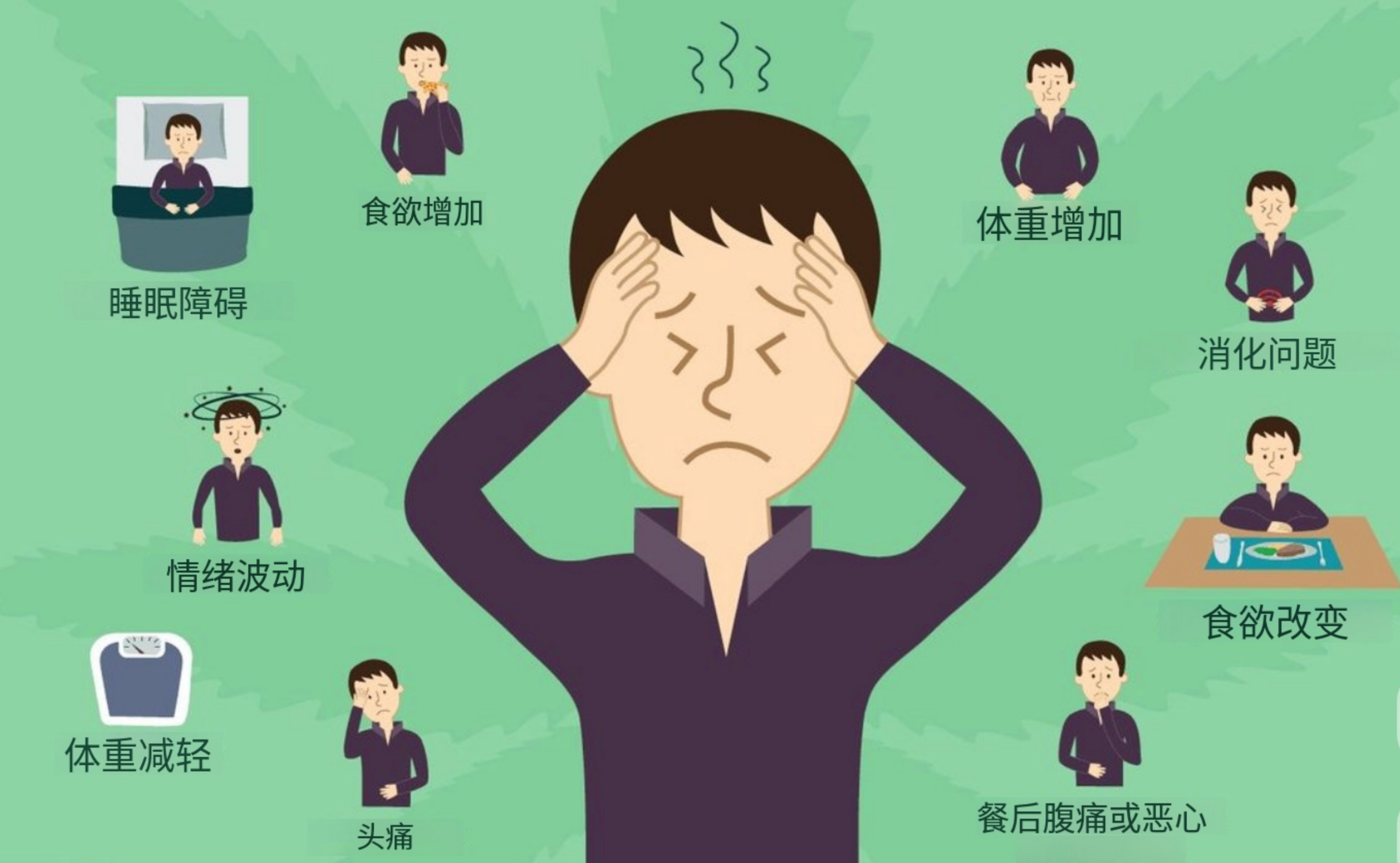
Withdrawal symptoms typically begin 6 to 24 hours after stopping drinking, peak at 48 to 72 hours, and some symptoms may persist for days or even weeks. The following are several serious conditions to watch for:
- Alcohol withdrawal seizures: These usually occur within 12 to 48 hours after stopping drinking. They may occur suddenly even in people with no prior history of seizures, and in severe cases can cause hypoxia or injury.
- Delirium tremens: Manifested as severe confusion, vivid hallucinations, extreme agitation, and high fever, this is one of the most dangerous complications of alcohol withdrawal and requires urgent medical intervention.
- Severe cardiac arrhythmias: Overactivation of the sympathetic nervous system may cause an extremely fast or irregular heart rate, with higher risk for those who already have underlying heart conditions.
- Severe electrolyte disturbances: Due to vomiting, sweating, and reduced food intake, imbalances in potassium, sodium, magnesium, and other electrolytes may further affect cardiac and neurological function.
- Autonomic storm: Dramatic fluctuations in blood pressure, profuse sweating, rapid breathing, and other symptoms keep the body in a state of sustained high stress.
These reactions are not something that "you can just tough out." Once they progress to moderate or severe levels, home management becomes very difficult, and professional assessment and intervention are required.
Who Especially Needs to Be Cautious About Cold Turkey Quitting
If any of the following applies, the risk of suddenly stopping drinking increases significantly: drinking heavily every day for several months or more; having previously experienced withdrawal symptoms such as hand tremors, palpitations, or sweating; having a history of withdrawal seizures or delirium tremens; concurrently using other sedative medications; having underlying conditions such as liver disease, heart disease, or diabetes; or having poor nutritional status or recent significant weight loss. In these situations, a medical evaluation before quitting is especially important, as it can help determine whether medication-assisted transition and vital sign monitoring are needed.
The Safe Path to Quitting Under Medical Supervision
Safe alcohol cessation is not about "toughing it out" but about allowing the body to gradually restore balance under controlled conditions. Medically supervised withdrawal typically involves several components:
- Comprehensive assessment: Understanding drinking patterns, degree of dependence, prior withdrawal experiences, and comorbid conditions, and using physical examination and necessary ancillary tests to evaluate organ function and nutritional status.
- Individualized plan: Based on the assessment results, determining whether short-term medication is needed to control neuronal excitability and prevent seizures and delirium, while also supplementing B vitamins, correcting electrolyte disturbances, and maintaining hydration.
- Dynamic monitoring: During the high-risk period for withdrawal reactions, regularly monitoring mental status, vital signs, and subjective discomfort, and adjusting medication dosages in a timely manner to prevent symptom escalation.
- Management of complications: If abnormal blood pressure fluctuations, arrhythmias, or altered consciousness occur, immediate intervention can be provided to avoid progression to a critical state.
The goal of this process is not simply to "stop drinking" but to help the body smoothly pass through the neural adaptation period, laying the foundation for subsequent recovery. Many people mistakenly believe that quitting alcohol is just the first few days of physical detoxification. In reality, the acute withdrawal period is only the first step; ongoing psychological support and behavioral adjustment are still needed afterward to reduce the risk of relapse.
What to Note When Trying to Reduce Intake at Home
If alcohol consumption is not heavy, there is no history of severe dependence, and prior withdrawal reactions were mild, some people may attempt gradual reduction under a doctor's guidance. But reducing intake does not mean casually "drinking a little less"; a clear reduction plan is needed, such as decreasing a fixed number of units each day, and recording physical reactions. If worsening palpitations, obvious tremors, confusion, or hallucinations occur—even if mild—you should immediately stop self-directed reduction and seek medical help as soon as possible. Do not use alcohol to "suppress" symptoms, as that will only perpetuate the cycle of dependence.
For those who already have obvious withdrawal symptoms, quitting alone at home is not recommended, because symptoms can deteriorate rapidly within hours, and the person affected is often unable to accurately assess their own condition.
Transitioning from Withdrawal to Long-Term Recovery
After safely getting through the acute withdrawal period, the craving for alcohol may still persist, which is related to the brain's reward pathways and long-established habits. At this point, you can combine this with the systematic treatment pathway to gradually build new coping strategies. Family support is also crucial; understanding how to scientifically accompany someone quitting alcohol can reduce misunderstandings and conflict and create an environment more conducive to recovery. If you are not yet sure whether your drinking pattern already constitutes dependence, you can first obtain a preliminary reference through the alcohol use self-assessment before deciding on the next steps.