
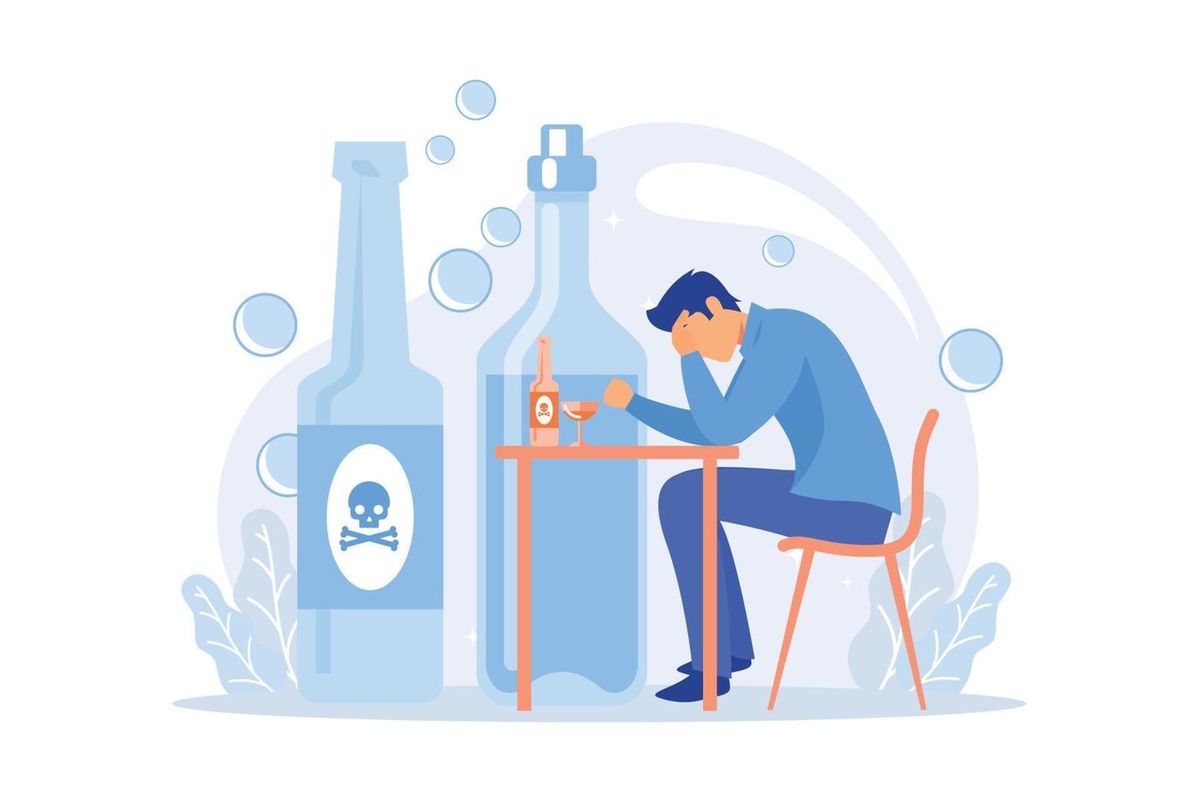
Alcohol Withdrawal Syndrome: The Brain "Recalibrating"
Alcohol withdrawal syndrome refers to a series of adaptive reactions in the body and brain that occur when a long-term heavy drinker suddenly stops or significantly reduces alcohol consumption. Its essence is not that "alcohol has left the body," but rather that the central nervous system has long adapted to alcohol's inhibitory effects. Once the suppression of alcohol is removed, the nervous system enters a state of hyperexcitation, triggering a range of symptoms from mild discomfort to life-threatening conditions across multiple levels.
Why the Brain "Rebounds": Changes in Three Key Neurotransmitters
To understand withdrawal reactions, one must first understand alcohol's impact on the brain's chemical signaling. Long-term drinking continuously acts on three core neurotransmitter systems:
- GABA system: GABA is the brain's primary inhibitory neurotransmitter, responsible for slowing nerve signal transmission and producing sedation and relaxation. Alcohol enhances GABA's effects, and over time the brain reduces its own GABA activity to adapt to alcohol's presence. When alcohol is withdrawn, inhibition becomes insufficient, and the nervous system loses its "brakes."
- Glutamate system: Glutamate is the primary excitatory neurotransmitter, driving the brain's alertness and active state. Alcohol inhibits glutamate's action, and to maintain balance, the brain compensatorily increases the sensitivity of the glutamate system. After drinking stops, excitatory signaling surges dramatically, leading to anxiety, agitation, and even seizures.
- Dopamine and norepinephrine: Alcohol stimulates dopamine release to produce euphoria, while also affecting norepinephrine's regulation of stress responses. During withdrawal, these pathways also become dysregulated, manifesting as mood swings, irritability, and autonomic nervous system instability.
The imbalance of these three systems collectively forms the biological basis of withdrawal symptoms, and also explains why withdrawal reactions are not merely "uncomfortable," but a systemic stress response involving multiple physiological systems.
How Symptoms Evolve Over Time: A Staged Timeline
The timing and intensity of withdrawal symptoms vary from person to person, depending on years of drinking, amount consumed, overall health status, and prior withdrawal experiences. They can generally be observed in the following stages:
Early stage (6 to 12 hours after stopping drinking)
This stage is dominated by autonomic hyperactivity and emotional symptoms. Common manifestations include fine tremors of the hands, tongue, or eyelids; anxiety and tension; restlessness; irritability; difficulty concentrating; trouble falling asleep; nausea or decreased appetite; and rapid heartbeat, mildly elevated blood pressure, and increased sweating. Although these symptoms are distressing, in most cases they do not yet pose a direct threat to life.
Peak period (24 to 72 hours after stopping drinking)
This is the window of greatest symptom intensity and risk. Tremors may worsen and become generalized. Some individuals may experience transient illusions or hallucinations, most commonly visual and auditory, often with threatening or disturbing content. This stage is also the high-risk period for withdrawal seizures, typically generalized tonic-clonic seizures, most often occurring within 48 hours after stopping drinking. The level of consciousness may fluctuate, from disorientation to marked confusion, requiring close assessment for progression to delirium tremens.
Resolution phase (5 to 8 days after stopping drinking)
Acute physical symptoms begin to subside, and autonomic function gradually stabilizes. However, sleep disturbances, low mood, persistent fatigue, and difficulty concentrating may still trouble the patient. This stage requires attention to psychological support to prevent relapse into drinking due to discomfort.
Protracted withdrawal symptoms (weeks to months)
Some individuals experience prolonged emotional and cognitive symptoms, including mood instability, reduced tolerance to stress, persistent insomnia, and low energy. These symptoms are not a sign of "weak willpower," but rather reflect the brain's slow process of neural adaptation and recovery, requiring ongoing rehabilitation support.
Delirium Tremens: A Severe Condition Requiring Urgent Recognition
Delirium tremens is the most severe form of alcohol withdrawal, typically appearing 48 to 96 hours after stopping drinking, though it may be delayed up to one week. Its core features include profound confusion and disorientation—patients may be unable to recognize time, place, or people—accompanied by marked autonomic dysfunction, including high fever, severe hypertension, tachycardia, and profuse sweating. In addition, vivid visual and tactile hallucinations are common; patients may see small animals that are not there or feel things crawling on their skin. Delirium tremens is not simply a "worsening of withdrawal reactions," but a medical emergency requiring immediate hospitalization and continuous monitoring.
Medically Supervised Withdrawal Management: Key Measures to Reduce Risk
Safe alcohol withdrawal is not simply about "enduring without drinking," but rather, under comprehensive assessment and monitoring, helping the body smoothly navigate the nervous system's readaptation period. Commonly used clinical management strategies include:
- Systematic assessment: Use standardized tools to dynamically assess withdrawal severity, adjusting intervention intensity based on objective scores rather than subjective feelings alone.
- Fluid and electrolyte support: Correct water and electrolyte imbalances caused by long-term drinking and by sweating and reduced food intake during withdrawal, maintaining internal homeostasis.
- Vitamin supplementation: Prioritize thiamine (vitamin B1) supplementation to prevent severe alcohol-related neurological complications such as Wernicke's encephalopathy.
- Pharmacological intervention: Under medical guidance, use medications to control the hyperexcitable nervous system, prevent seizures, and reduce autonomic symptoms.
- Continuous vital sign monitoring: Promptly detect and manage dangerous signals such as dramatic blood pressure fluctuations and cardiac arrhythmias.
The stress load of the withdrawal process on the body should not be underestimated. Especially for individuals with a history of severe withdrawal episodes, comorbid physical illnesses, or poor nutritional status, abruptly stopping drinking on one's own carries significant risk. Completing this phase in a medical facility equipped with safe alcohol withdrawal management can significantly reduce the likelihood of complications and lay the foundation for subsequent systematic treatment pathways. If you are considering reducing or stopping drinking, it is recommended to first discuss with a professional to assess a safe withdrawal plan tailored to your individual situation.