
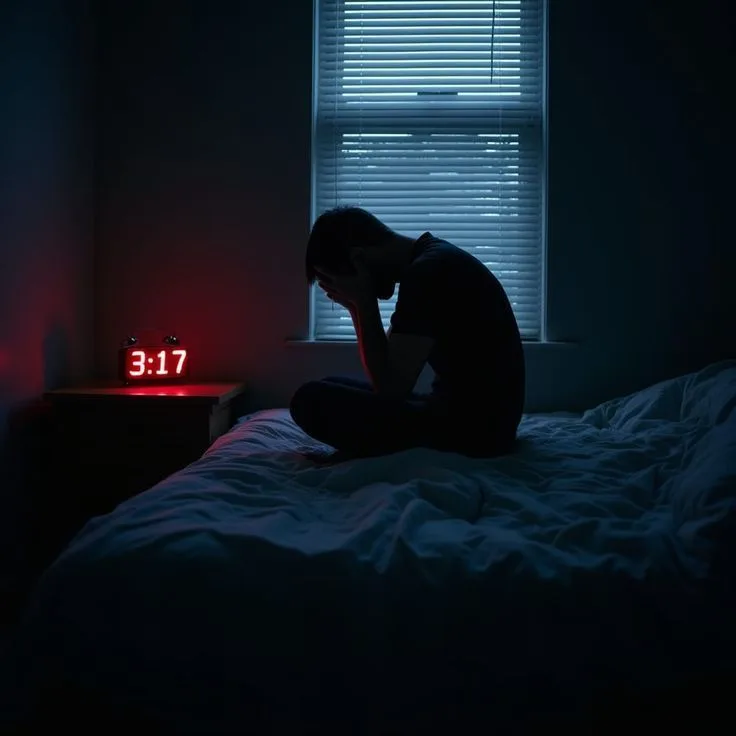
The "False Sleep" Brought on by Alcohol
Many people, when struggling to fall asleep, will have a drink, feeling their body warm up and their mind relax, seemingly making it easier to fall asleep. This experience is not an illusion. As a central nervous system depressant, alcohol can indeed speed up the onset of sleep, especially by increasing drowsiness in a short period. But the problem is that falling asleep is only the beginning of sleep; complete nighttime rest requires the orderly switching between multiple sleep cycles. While alcohol helps with falling asleep, it has already begun to disrupt the subsequent sleep structure, leaving the night's rest fragmented.
Why Sleep in the Latter Half of the Night Is Worse
Sleep is not at the same depth all night; rather, it is composed of alternating non-rapid eye movement sleep and rapid eye movement sleep, typically cycling 4 to 6 times each night. After alcohol enters the body, it allows a person to enter the deep sleep stage more quickly in the first half of the night, which sounds beneficial, but the cost is that sleep in the latter half of the night becomes extremely unstable. As the liver gradually metabolizes the alcohol and the blood alcohol concentration drops, the body experiences a "rebound"-like excitatory response. At this point, a person is more likely to dream, even experiencing tense, chaotic dreams, accompanied by a faster heartbeat, sweating, frequent nighttime urination, and other phenomena. Many people wake up at 2 or 3 a.m., feeling clear-headed yet physically exhausted, and find it hard to fall back asleep. This fragmented sleep greatly diminishes mental recovery the next day.
Imbalance Between Deep Sleep and REM Sleep
To understand the destructive power of alcohol, it is necessary to recognize two key sleep stages. Deep sleep is mainly responsible for physical repair, immune regulation, and physical recovery; REM sleep is closely related to memory consolidation, emotional processing, and the brain's integration of information. Although alcohol increases the proportion of deep sleep in the first half of the night, it significantly suppresses REM sleep, especially during periods of higher alcohol concentration. When the body begins to metabolize the alcohol, the suppressed REM sleep tries to "make up for" the loss, leading to abnormally dense REM periods in the latter half of the night, which is also the physiological root of vivid dreams and easy awakening. Long-term use of alcohol to aid sleep means continuously disrupting the natural rhythm of these two sleep stages, potentially causing problems such as memory decline, mood swings, and difficulty concentrating.
The Overlapping Risks of Alcohol and Sleep Medications
It is especially important to be vigilant that alcohol must never be used simultaneously with sleep medications. Both are central nervous system depressants, and when combined, they can excessively suppress the respiratory center, potentially leading to shallow breathing, decreased blood oxygen, and even triggering apnea. For those who already have a tendency toward snoring or sleep apnea, this risk is even more pronounced. In addition, alcohol itself relaxes the throat muscles, worsening snoring and airway obstruction, making nighttime hypoxia more severe. If you are taking any prescription or over-the-counter sleep aids, you should strictly avoid alcohol and consult a doctor before adjusting any medication.
The Hidden Dangers of Long-Term Reliance on Alcohol for Sleep
Occasional use of alcohol to aid sleep may be compensated for by the body, but once it becomes a habit, problems compound layer by layer. The brain gradually adapts to the presence of alcohol, and in order to maintain balance, the nervous system becomes more excitable. This means that the sedative effect of the same glass of alcohol weakens, requiring more alcohol to achieve the same feeling, while withdrawal may bring anxiety, palpitations, and more severe insomnia. This cycle can easily evolve into alcohol dependence, trapping a person in the dilemma of "can't sleep without drinking, and can't sleep well with drinking." If you find that it has become difficult to fall asleep without alcohol, this may be an early warning signal from the body that deserves serious attention.
Directions for Sleep Adjustment Without Relying on Alcohol
Improving sleep does not require seeking answers from alcohol. Establishing a stable biological clock is the foundation—go to bed and wake up at similar times each day, and try to stay consistent even on weekends. Reduce exposure to screen light from phones, computers, and other devices in the hour before bed, because blue light suppresses melatonin secretion and delays natural drowsiness. Moderate exercise during the day helps deepen nighttime sleep, but avoid high-intensity workouts within 3 hours before bed, so that elevated core body temperature does not interfere with falling asleep. The bedroom environment is also worth optimizing—keeping it quiet, cool, and dark helps the brain transition more smoothly into a resting state. If insomnia persists for more than a few weeks and affects daytime functioning, it is recommended to seek evaluation at a regular medical institution to rule out underlying issues such as anxiety, depression, or sleep disorders, rather than coping with alcohol on your own.
Understanding the true relationship between alcohol and sleep is not meant to create fear, but to help everyone make clearer choices. Occasional social drinking does not require excessive anxiety, but if you have already become accustomed to using alcohol to "solve" insomnia, it may be time to re-examine this pattern and return the control of sleep to the body itself. For more on sleep changes during alcohol dependence and withdrawal, you can further refer to the Alcohol Withdrawal Safety Guide. If you are concerned about your own or a family member's drinking patterns, you can also refer to the Drinking Problem Self-Assessment, or browse the Scientific Explanations of Alcohol-Related Diseases for more systematic knowledge and support.