
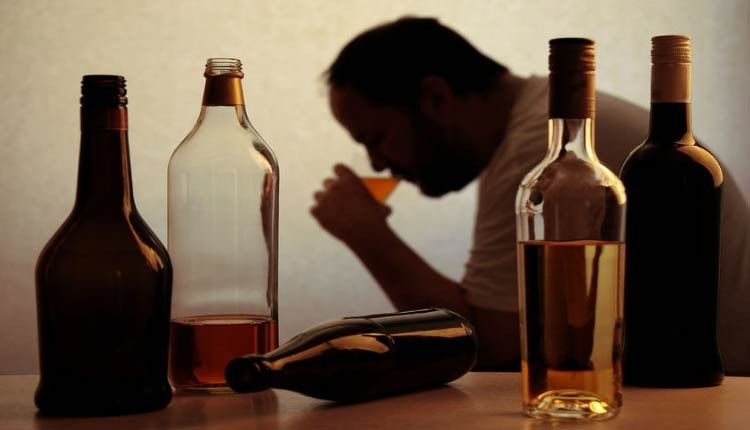
The Illusion of Alcohol Relieving Anxiety: Short-Term Sedation and Long-Term Worsening
Having a drink when feeling tense, uneasy, or socially anxious is an instinctive choice for many people. Alcohol can indeed make people feel relaxed in the short term, because it enhances the inhibitory function of gamma-aminobutyric acid (GABA) in the brain, reducing the excitability of the nervous system and producing a temporary sense of sedation. But this relief is often only superficial. As alcohol is metabolized, the brain enters a "rebound state"—GABA activity drops rapidly, while the activity of excitatory neurotransmitters such as glutamate rises instead, leading to anxiety that is stronger than before drinking. This neuroadaptive process is precisely the core mechanism by which drinking worsens anxiety.
Hangover Anxiety: Why the Next Day Feels Worse
"Hangover anxiety" refers to the intense anxiety experienced the day after drinking, often referred to in the medical literature as "hangxiety." It is not purely psychological; rather, it is a neurochemical fluctuation caused by alcohol withdrawal. As alcohol levels decline, the stress system that was previously suppressed in the brain becomes overactivated, and sympathetic nervous system excitability rises, triggering a range of physical and mental discomfort.
Common manifestations of hangover anxiety include:
- Rapid heartbeat, palpitations, or chest tightness, similar to the physical sensations of a panic attack;
- Excessive worry and uncontrollable fear, even feeling unable to cope with everyday matters;
- Regret and shame about the previous night's behavior, repeatedly replaying social details and engaging in self-blame;
- Difficulty concentrating, with thinking becoming blurred or confused;
- Irritability and restlessness, with abnormal sensitivity to external stimuli.
These symptoms are often more pronounced in people who already have a tendency toward anxiety. Relying on alcohol long-term to cope with stress may make the brain's stress-regulation system more sensitive, forming a vicious cycle of "drinking—worsened anxiety—drinking again."
How Alcohol Alters the Brain's Anxiety Regulation System
To understand the relationship between alcohol and anxiety, it is necessary to focus on the balance of two key neurotransmitters in the brain: GABA and glutamate. GABA is the primary inhibitory neurotransmitter, which slows neural activity and produces sedative and anti-anxiety effects; glutamate is the primary excitatory neurotransmitter, responsible for maintaining alertness and cognitive function. Alcohol works by enhancing GABA receptor function and inhibiting glutamate receptor activity. However, long-term or heavy drinking causes the brain to adapt to this artificial chemical environment, reducing its own GABA receptor sensitivity while upregulating the glutamate system. When alcohol is withdrawn, this imbalance manifests as anxiety, insomnia, and mood swings.
In addition, alcohol affects the regulation of the hypothalamic-pituitary-adrenal axis, leading to disturbances in the secretion of stress hormones such as cortisol, further intensifying the physiological basis of anxiety. Therefore, using alcohol to manage anxiety actually weakens the brain's own ability to regulate emotions.
Breaking the Cycle: Non-Alcohol Methods for Managing Anxiety
If you have become accustomed to using alcohol to cope with anxiety, shifting to healthier regulation methods takes time. The following approaches are supported by research and can be gradually practiced in daily life:
- Deep breathing and meditation: Practicing 10–15 minutes of abdominal breathing or mindfulness meditation daily helps reduce sympathetic nervous system excitability and enhance the calming effects of the parasympathetic nervous system, thereby alleviating the physical responses of anxiety.
- Regular aerobic exercise: Aerobic activities such as brisk walking, jogging, and swimming promote endorphin release, improve mood, and lower baseline anxiety levels. A total of 150 minutes of moderate-intensity exercise per week can produce noticeable effects.
- Cognitive behavioral therapy: By identifying and adjusting the thought patterns that drive anxiety, you can learn more flexible coping strategies. For conditions where alcohol and anxiety coexist, cognitive behavioral therapy can address the connection between both simultaneously.
- Stable sleep routines: Maintaining a fixed bedtime and wake-up time, and avoiding electronic devices before sleep, helps restore the nervous system's self-repair capacity and reduces susceptibility to anxiety.
- Reducing caffeine intake: Caffeine stimulates the sympathetic nervous system and may trigger or worsen anxiety symptoms, especially during a hangover. Gradually reducing consumption of coffee, strong tea, and energy drinks is beneficial for emotional stability.
- Building social support: Sharing feelings with trusted friends or family members and joining supportive groups can reduce loneliness and helplessness, providing external motivation for changing drinking habits.
If anxiety still significantly affects your life after trying the above methods, or if you find it difficult to reduce drinking on your own, professional evaluation can be sought. For conditions where alcohol use and anxiety co-occur, integrated intervention is often more effective than a single approach. Understanding the scientific mechanisms of alcohol dependence can help reduce self-blame and view the recovery process more rationally. Family members can also participate through family support, working together to create an environment conducive to recovery.